

How to Determine the Value of Your Home Yourself
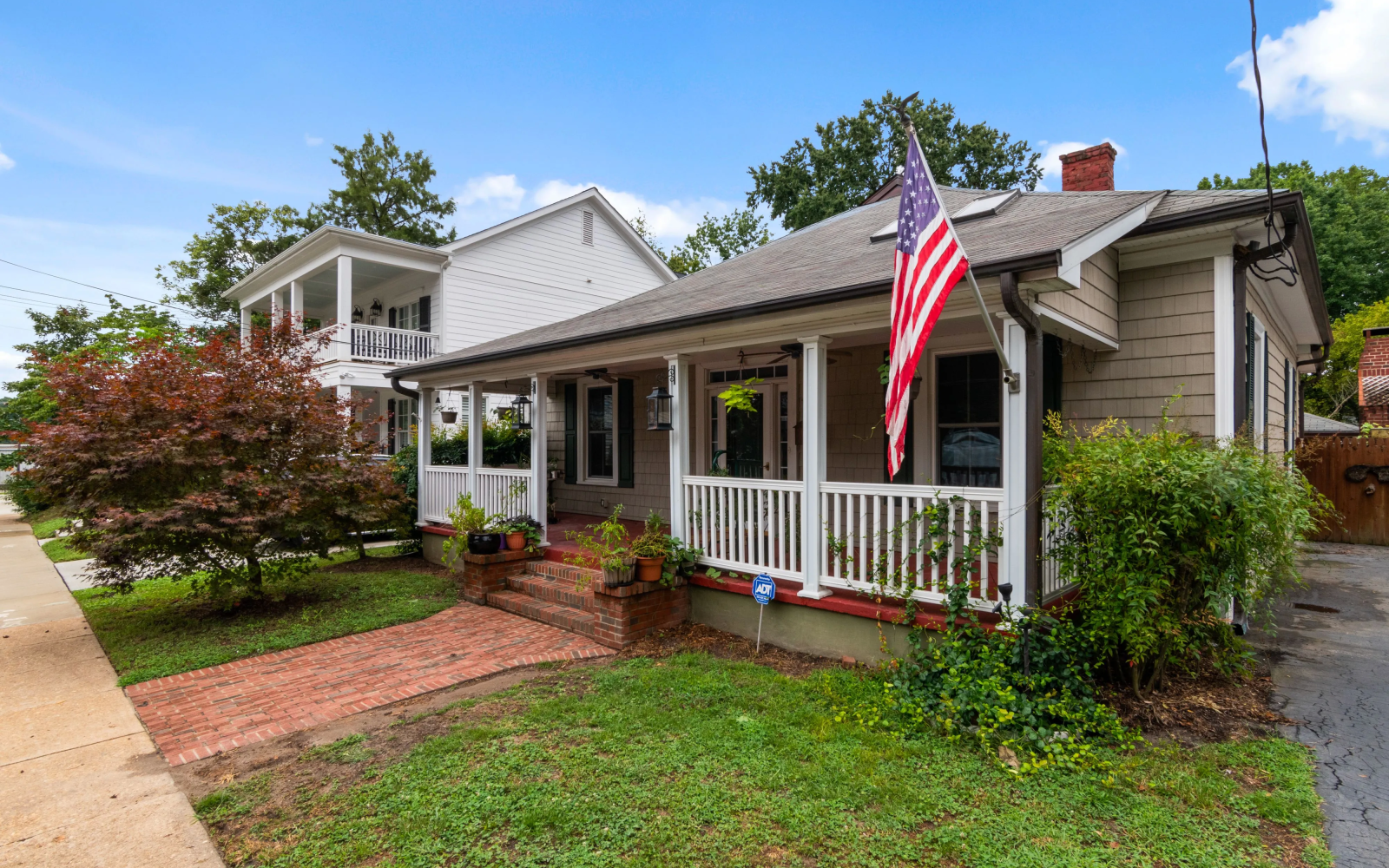
A seller’s questions would always be “what’s my house worth?" the moment they decide to sell their house. Some people, especially first-time sellers, make a mistake about trying to make unrealistic profits off their property that would later on be a costly mistake. Some people who are just curious about how much their property is worth are just curious and trying to find answers by not spending money on professional appraisers.
The good news is, you don’t really need to hire a professional right away if you just want to know the value of your house yourself, but if ever you want to sell your house, the proper way you do need to do is have it appraised because it will be the required document for the sale to go through smoothly.
Here's how to do it.
Step 1: Find Comparable Properties ("Comps")
In real estate, "comps" is just short for comparable properties, meaning homes that are similar enough to yours that their sale prices give you a fair idea of what your home might be worth. This is actually the same method real estate agents and appraisers use, just with more tools and data at their disposal.
To find good comps, you want homes that match yours in three main ways: square footage, bedroom and bathroom count, and location. A 1,800 square foot house isn't a great comparison to a 3,000 square foot one, even if they're on the same street, because buyers are paying for space. This is also true with bedrooms and bathrooms. A 4-bedroom house will always be much more valuable than a house with 2 bedrooms, even when all else is equal.
One more thing worth paying attention to is timing. Try to use homes that sold or got listed within the last three to six months if possible. The housing market shifts, sometimes quickly, so a comp from two years ago might not reflect what buyers are willing to pay today.
Here's a quick example.
You have a 3-bed, 2-bath house at 1,800 square feet. You look for other 3-bed, 2-bath homes in your neighborhood that are close to that same square footage and were sold recently. You found two nearby homes with similar layouts, bed and bath, front and back yard, and garage that were sold for $255,000 and $265,000. These facts will give you your benchmark range for your own home, before accounting for anything else.
NOTE: Always consider pricing your house slightly lower than the market price if you want to sell right away. You can also price your home the same range and anticipate that buyers will negotiate for a lower price. Selling at a higher price will prolong your sale, and eventually you will have to reprice your house, which is a bad move because people will remember, and they will most likely think there is something wrong with your house or that you prioritize making a profit rather than just sell.
| Your Home | Comp 1 | Comp 2 | |
|---|---|---|---|
| Beds/Baths | 3 / 2 | 3 / 2 | 3 / 2 |
| Sq Ft | 1,800 | 1,750 | 1,850 |
| Sold Price | — | $255,000 | $265,000 |
Step 2: Adjust for Location Factors
Once you've got a range from your comps, the next step is fine-tuning it based on exactly where your home sits. Here's the thing, two homes can be nearly identical in size, layout, and age, but still sell for noticeably different prices simply because of what's around them.
Some location factors push value up. A home in a sought-after subdivision, one known for well-kept streets, good upkeep, or a strong sense of community, will often sell for more than a similar house in a less desirable area. Being zoned for a good school district matters a lot too, even for buyers without kids, since it tends to hold resale value well. A quiet cul-de-sac or dead-end street is another plus, since there's less traffic passing through and more privacy.
On the flip side, certain things tend to pull value down. Being right next to a busy highway is a common one, since road noise is hard to escape and it's usually the first thing buyers notice on a walkthrough. Houses near train tracks or even airports are surprisingly an issue for the value of a home. According to Realtor homes near airports lower in value by 13.2%.
Appraisers on Quora also noted that residential homes need to be farther from these locations, and they also included concert venues, garbage dumps, amusement parks, electrical towers, etc. But for commercial properties, these are ideal locations because they are the ideal, or rather prime, locations for doing business.
▲ Value Up
- Sought-after subdivision
- Good school district
- Quiet cul-de-sac / dead-end street
▼ Value Down
- Near busy highway
- Close to train tracks
- Near industrial areas or commercial zoning
- Near a landfill or water treatment facility
Why does this matter so much to buyers? Most buyers are looking for peace of mind, privacy, and safety. Most people prefer a home where they will be relaxed and have an undisturbed sleep every night. Although there are some people who prefer to be near these locations depending on their lifestyle or needs, statistically people prefer the former rather than the latter.
So when you're comparing your home to others nearby, don't just look at the numbers. Take a step back and think about what makes your specific location better or worse than the comps you found.
Putting It Together: The DIY Estimate
Once you've pulled a few solid comps and adjusted for how your location compares, you should have a reasonable ballpark range for your home's value. It won't be an exact number, but it'll be close enough to guide your next decision, whether that's setting expectations before a sale or just satisfying your curiosity.
One important thing to keep in mind though, this method works best when your home is in fairly typical or move-in ready condition. If your roof needs replacing, there are foundation issues, or major systems like plumbing, electrical, or HVAC are outdated or failing, those things can pull your value down significantly and a simple comps comparison won't capture that. Also make sure that there are no liens and encumbrances on your property.
This DIY approach is really meant for homes without any major red flags. So think of your estimate as a solid starting point, not the final word. If your home checks out condition-wise, you're probably not too far off.
When to Bring in a Professional
The DIY method is great for getting a general sense of value, but it does have limits. At the end of the day, you're working with a range, not a precise figure, and that gap can matter a lot depending on what you're trying to do.
This is where a licensed appraiser or a real estate agent's CMA (comparative market analysis) comes in. Unlike a DIY estimate, a professional accounts for the finer details, things like recent upgrades, the true condition of the home, and how the market has shifted in just the last few weeks or months. They also have access to more complete sales data than what's publicly available, which makes their number far more reliable.
There are a few situations where getting that precise number really matters. If you're refinancing, your lender will require a formal appraisal anyway. If you're listing your home, an agent's CMA helps you price it accurately from day one instead of guessing and potentially leaving money on the table. And if you're disputing a property tax assessment, you'll need solid, professional-backed numbers to make your case.
Discover Amazing Sioux City Properties
Explore unique homes, commercial spaces, and investment opportunities in Sioux City. Find the perfect property to fit your lifestyle or business vision.
Browse Our ListingsRecent Blogs and Insights

How Much House Can I Afford?
Apply the 28/36 rule: spend up to 28% of gross income on housing and no more than 36% on total debt, including housing and other monthly obligations.
Read MoreHow Much House Can I Afford?
Are Home Improvements Tax Deductible? What Homeowners Should Know
The honest answer is mostly no, but with a few exceptions. The IRS doesn't lump all home-related spending into one category. Some of it counts as a repair, some of it counts as an improvement, and those two words matter a lot more than you'd think when it comes to what you can and can't write off.
Read MoreAre Home Improvements Tax Deductible? What Homeowners Should Know
All Your Money Going to the House? What House Poor Means
At its core, being house poor means you have just enough money to cover your house expenses, and not much else
Read MoreAll Your Money Going to the House? What House Poor Means
How To Price My House to Sell Quick
To price your house to sell quickly, start with a comparative market analysis (CMA), set a price slightly below similar homes, avoid overpricing because of personal bias, avoid pricing too low and creating suspicion, and make sure as many buyers as possible see your listing through social media, community groups, and online ads.
Read MoreHow To Price My House to Sell Quick
What Happens If I Don't Have Earnest Money?
Earnest money is a deposit that shows a seller you are serious about buying their home. While it is not legally required in every real estate transaction, most sellers expect buyers to include it when making an offer.
Read MoreWhat Happens If I Don't Have Earnest Money?
Can You Cancel a Real Estate Contract Without Penalties? Understanding Mutual Rescission
Mutual rescission is when the buyer and seller both agree to cancel a real estate purchase agreement. Instead of completing the sale, they decide together to end the contract before the transaction is finished.
Read MoreCan You Cancel a Real Estate Contract Without Penalties? Understanding Mutual Rescission
How Much Are Realtors Paid in Iowa?
The average total real estate commission in Iowa is around 5.84%, but the actual rate can vary depending on the agent, brokerage, property, and local market.
Read MoreHow Much Are Realtors Paid in Iowa?
What Is the 3-3-3 Rule in Real Estate?
The 3-3-3 rule in real estate is a simple guideline that helps homebuyers prepare for the financial responsibilities of owning a home.
Read MoreWhat Is the 3-3-3 Rule in Real Estate?
What Is an Assignment Contract in Real Estate and How Does It Work?
An assignment contract lets a buyer transfer their rights in a real estate deal to another buyer for an agreed fee or profit.
Read MoreWhat Is an Assignment Contract in Real Estate and How Does It Work?
What Is a Lease Agreement? Everything Renters and Landlords Should Know
A lease agreement is a legal contract between a landlord and tenant that explains rent, rules, and how long the property can be used.
Read MoreWhat Is a Lease Agreement? Everything Renters and Landlords Should Know
Can You Legally Ask Someone to Act on Your Behalf? Power of Attorney Explained
A power of attorney gives someone legal authority to act on another person’s behalf in financial, legal, or real estate matters.
Read MoreCan You Legally Ask Someone to Act on Your Behalf? Power of Attorney Explained
4 Types of Real Estate Contracts You Should Know About
The 4 main real estate contracts are purchase agreements, lease agreements, assignment contracts, and power of attorney documents.
Read More4 Types of Real Estate Contracts You Should Know About