

How To Price My House to Sell Quick
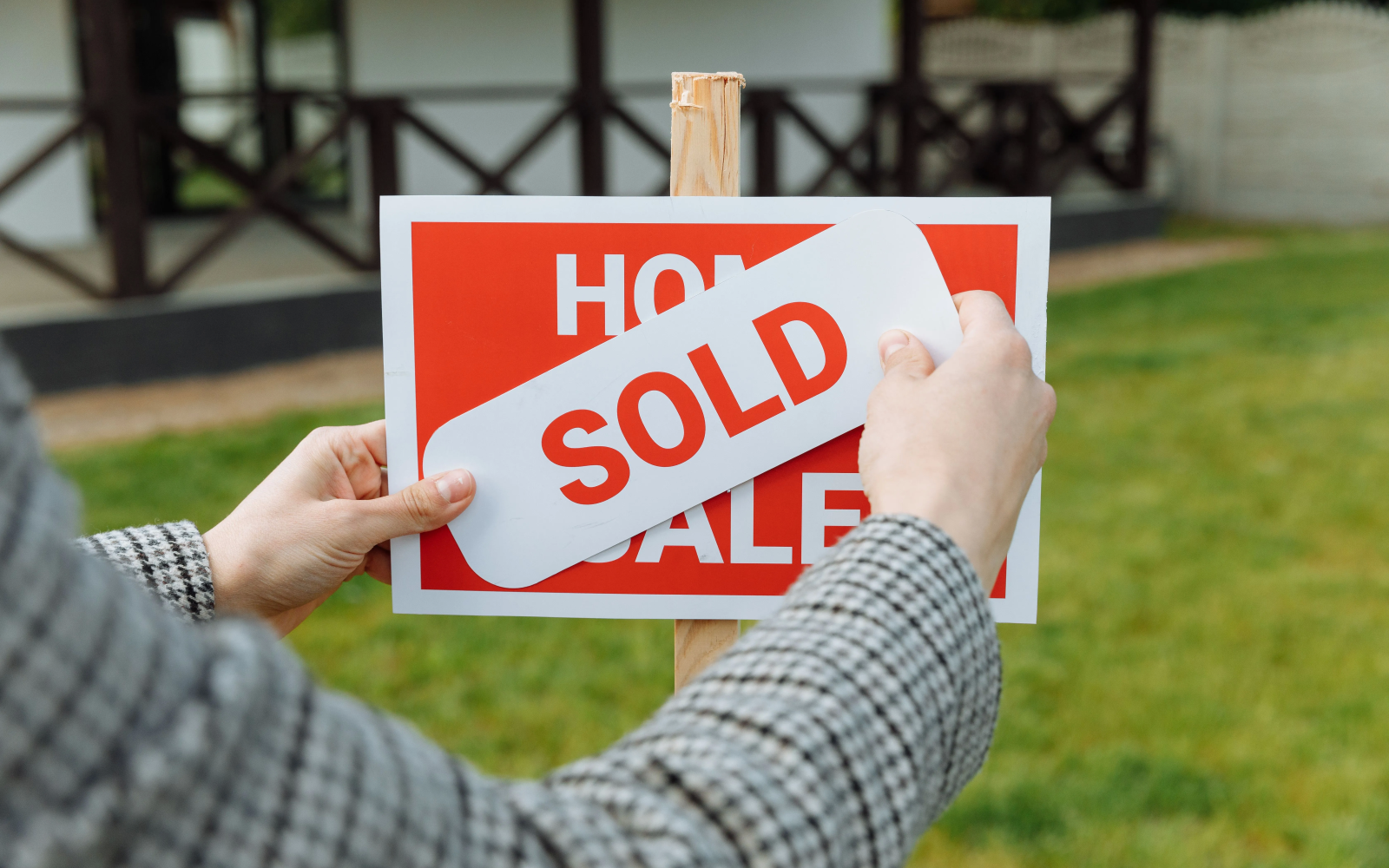
The way to sell your house quickly is to start first with comparative market analysis, or CMA, set your price by subtracting 5%-10% of the price of similar homes, and avoid overpricing because of personal bias, but not too low to create suspicion. Make sure that many buyers will see your listing, whether through social media, community groups, or online ads. A fast sale is usually the result of the right price and maximum exposure as much as possible.
Consider Making Repairs Before Pricing Your Home
Before setting your asking price, take an honest look at your home's condition. Potential buyers are looking at properties on their prices, features, and especially their condition. If it happens that your house needs repair and similar homes are ready to move in, expect that you will be offered a lower price.
The repairs will justify the price you are asking, and it is much easier to sell to buyers. Even small issues, such as leaking faucets or broken fixtures, can be as important as fixing a damaged wall, which is a major issue that can affect how buyers perceive the property.
You do not need to renovate the house and spend a lot. You as a seller just have to imagine yourself in the position of the buyer. Would you, as a buyer, buy your own property? If you can come up with an unbiased answer, then you can price your home competitively and attract more buyers.
Start With a Comparative Market Analysis (CMA)
A comparative market analysis (CMA) is a method to estimate the value of your house by looking at similar homes that have been recently sold in your area. The homes you should look for should be similar in size, condition, age, and features of your house so the comparison is accurate.
A CMA can only be conducted and performed by a real estate agent for anyone in exchange for compensation or any form of payment for that matter. However, if you want an informal CMA, you can do so yourself or in other words a DIY method.
When pricing your home, rely on market data rather than personal opinion. The amount of money you have spent on upgrades or the memories you have made in the home may be important to you, but buyers will compare your property to other homes currently available. A CMA helps you set a price based on what the market is actually willing to support.
Price Your House Slightly Below Market Value
To sell quickly means more people are interested in acquiring your property compared to other listed homes. Pricing your home slightly lower than market price is not actually a newly discovered method. It has been noted and experienced by many buyers and sellers alike that a lower price attracts more buyers.
More interest usually means more views, more inquiries, and more showings. The more buyers who see your property, the better your chances of receiving an offer sooner rather than later. In some cases, increased buyer interest can even lead to multiple offers.
Pricing slightly below isn’t selling less than the actual value of the house; it is just the hook for people to be drawn to your property and as a way to stand out as better compared to similar listings.
Don't Overprice Your Home
Many people make the mistake of overpricing their homes or properties because of the feelings of attachments they have with them. Pricing does not involve emotions, unfortunately. They rely on raw facts and market data. And just like that, people fall into the trap of overpricing without them even actually realizing it.

This emotional attachment can create a bias that leads to an unrealistic asking price. When a home is priced higher than similar properties, buyers are more likely to skip over it and look at other options.
A home that is priced just slightly higher than the market value tends to stay in the market longer, and people actually remember how long properties have been listed. The longer the property sits in the market, the less attractive they are for buyers because people will assume there is a problem with your property because it took longer to sell.
Don't Price Your House Too Low
Pricing too low can also cause problems as well and will also have the same effect as pricing it too high. An unusual low price will make buyers wonder what is wrong with your house. Questions like, "Does it have major structural damage?" or "Was someone murdered recently on the property”, or “Is it involved in a criminal activity”, or legal complaint?"
The zone you want to hit would be the goldilocks zone, where it is not priced too low and it is priced just right to sell quick. After CMA, fixing issues, you then may subtract 5%-10% of the price of similar homes and then you get the goldilocks zone.
Get Your Listing in Front of More Buyers
Pricing your home correctly is only part of the process. Even a well-priced home can struggle to sell if buyers never see the listing.
Start by posting your home on major social media platforms. Share photos, property details, and contact information to help potential buyers learn more about the home. You can also post the listing in local community groups and buy-and-sell groups where people may be actively looking for properties in the area.
If your budget allows, consider running paid social media ads. These ads can help your listing reach more people than a regular post and increase visibility among potential buyers.
The more people who see your home, the greater your chances of finding the right buyer. When competitive pricing is combined with strong marketing, your home is more likely to sell quickly.
Discover Amazing Sioux City Properties
Explore unique homes, commercial spaces, and investment opportunities in Sioux City. Find the perfect property to fit your lifestyle or business vision.
Browse Our ListingsRecent Blogs and Insights

How Much House Can I Afford?
Apply the 28/36 rule: spend up to 28% of gross income on housing and no more than 36% on total debt, including housing and other monthly obligations.
Read MoreHow Much House Can I Afford?
How to Determine the Value of Your Home Yourself
Compare recent sales of similar homes nearby, adjust for location perks or nuisances, and get a professional appraisal for an exact figure.
Read MoreHow to Determine the Value of Your Home Yourself
Are Home Improvements Tax Deductible? What Homeowners Should Know
The honest answer is mostly no, but with a few exceptions. The IRS doesn't lump all home-related spending into one category. Some of it counts as a repair, some of it counts as an improvement, and those two words matter a lot more than you'd think when it comes to what you can and can't write off.
Read MoreAre Home Improvements Tax Deductible? What Homeowners Should Know
All Your Money Going to the House? What House Poor Means
At its core, being house poor means you have just enough money to cover your house expenses, and not much else
Read MoreAll Your Money Going to the House? What House Poor Means
What Happens If I Don't Have Earnest Money?
Earnest money is a deposit that shows a seller you are serious about buying their home. While it is not legally required in every real estate transaction, most sellers expect buyers to include it when making an offer.
Read MoreWhat Happens If I Don't Have Earnest Money?
Can You Cancel a Real Estate Contract Without Penalties? Understanding Mutual Rescission
Mutual rescission is when the buyer and seller both agree to cancel a real estate purchase agreement. Instead of completing the sale, they decide together to end the contract before the transaction is finished.
Read MoreCan You Cancel a Real Estate Contract Without Penalties? Understanding Mutual Rescission
How Much Are Realtors Paid in Iowa?
The average total real estate commission in Iowa is around 5.84%, but the actual rate can vary depending on the agent, brokerage, property, and local market.
Read MoreHow Much Are Realtors Paid in Iowa?
What Is the 3-3-3 Rule in Real Estate?
The 3-3-3 rule in real estate is a simple guideline that helps homebuyers prepare for the financial responsibilities of owning a home.
Read MoreWhat Is the 3-3-3 Rule in Real Estate?
What Is an Assignment Contract in Real Estate and How Does It Work?
An assignment contract lets a buyer transfer their rights in a real estate deal to another buyer for an agreed fee or profit.
Read MoreWhat Is an Assignment Contract in Real Estate and How Does It Work?
What Is a Lease Agreement? Everything Renters and Landlords Should Know
A lease agreement is a legal contract between a landlord and tenant that explains rent, rules, and how long the property can be used.
Read MoreWhat Is a Lease Agreement? Everything Renters and Landlords Should Know
Can You Legally Ask Someone to Act on Your Behalf? Power of Attorney Explained
A power of attorney gives someone legal authority to act on another person’s behalf in financial, legal, or real estate matters.
Read MoreCan You Legally Ask Someone to Act on Your Behalf? Power of Attorney Explained
4 Types of Real Estate Contracts You Should Know About
The 4 main real estate contracts are purchase agreements, lease agreements, assignment contracts, and power of attorney documents.
Read More4 Types of Real Estate Contracts You Should Know About