

How Much Does a Property Survey Cost? (And Why It’s Worth It)
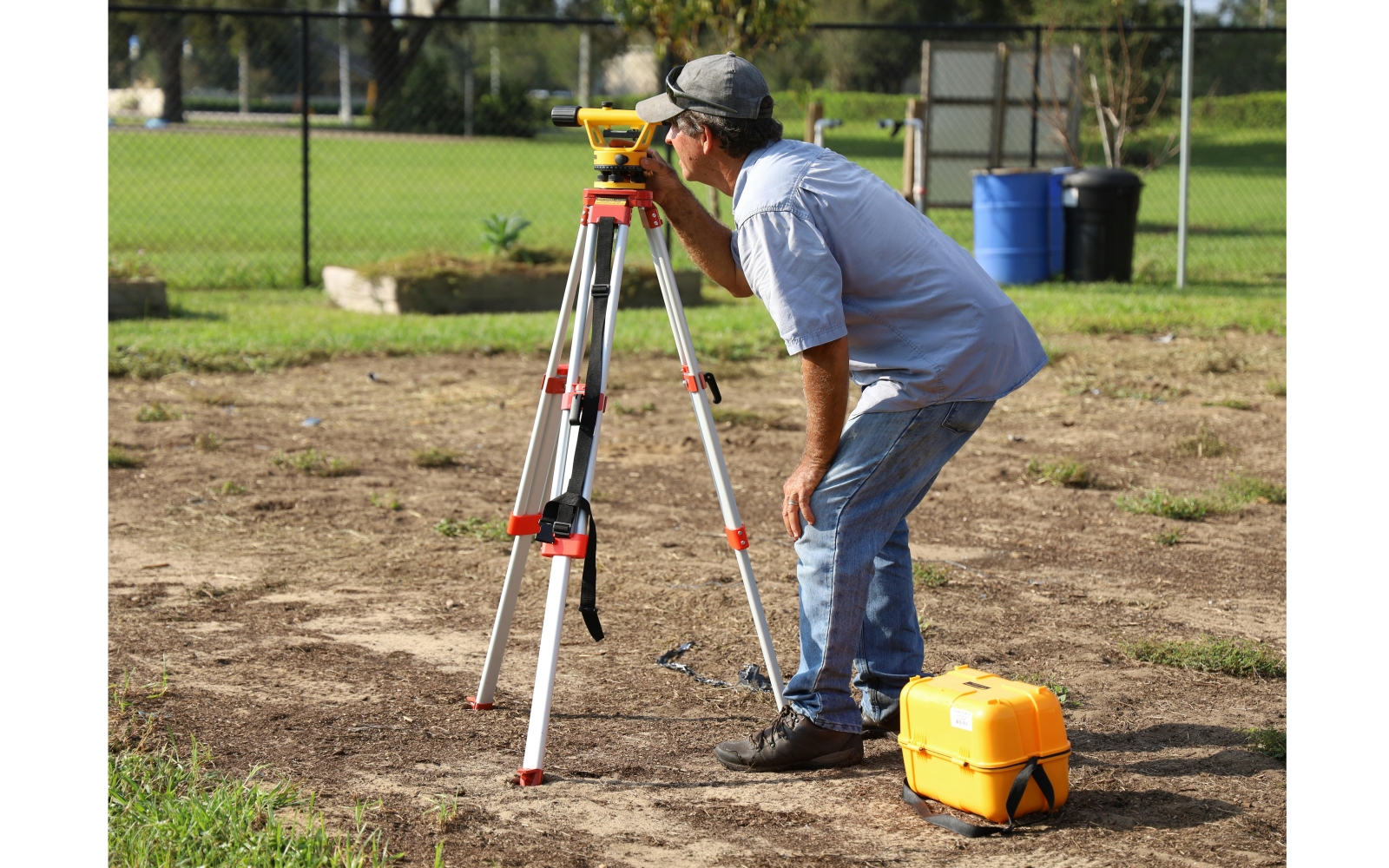
Before you buy land or start any home project, getting a property survey should be one of your first steps. A survey is just a proof of your property’s boundaries but it will become very crucial later on because you may think it unlikely but sooner or later, people will start to question your official geographical boundaries, so acquiring one will definitely shut them up. It is just as important as purchasing a new home which statistically is the biggest purchase an average American will have in their life. So, back it up with a survey proving where your boundaries are.
Having this will also save you costly mistakes later on. Without it, you may accidentally build on someone else’s property; just a bit of a perspective of the other side of the coin.
Now, one question remains: “how much does a survey cost?”. The answer is not really one answer but it could vary on the type of property and the size. Which state you are in could also vary and maybe even the market conditions but very rarely. So investing in a survey will definitely cost you but it will act as a safeguard.
Key Takeaways
- A property survey shows where your land begins and ends and what’s legally yours.
- A property survey may cost $300 to $1000 depending on the size and which state you are in.
- The property survey may also vary on the type of property. Some examples are: complex lots, rural properties, or commercial land.
- Even if your lender does not require it, still get one because it will act as your safeguard.
What Is a Property Survey?
A property survey by definition is a formal yet technical process used to determine and document the exact boundaries, dimensions, and physical features of a parcel of land.
It is conducted by a licensed surveyor who measures the land to identify the property lines, corners, and markers to verify how the property aligns with the legal descriptions found in the titles or deeds.
Property surveys especially in real estate transactions ensure legal accuracy, prevent boundary disputes, confirm compliance with zoning or setback requirements, and protect buyers and sellers alike and also lenders by clearly defining what is being owned or transferred.
Surveys aren’t just for homebuyers, either. Homeowners often order them before:
- Building a new fence or garage
- Adding an extension or pool
- Selling their home
- Resolving a boundary dispute
Why You Might Need One
Whenever there are constructions or property developments or any other real estate transactions, property surveys generally avoid future conflicts and ensure the accuracy of your property as mentioned earlier.
If you’re buying a home, which is a large chunk of your life savings and needless to say, it is one of your biggest investments, it is just right to safeguard it and properly record what is yours accurately.
If you are a current homeowner, you’d still need to secure a property survey once every 5-10 years. The reason for this is land descriptions and even the physical geographical structure of land changes especially when there are developments adjacent to your land area.
When there are changes in the nearby land such as digging for underground cables, underground drainage systems, a tree that recently grew within the boundaries of your land area and even zoning, this will contribute to the need why you should get a property survey more than once.
You might also need one when you’re dividing your land to sell or pass down a portion, or when there’s a boundary disagreement with a neighbor. A professional survey gives you official documentation that clearly shows where your land begins and ends.
Average Cost of a Property Survey
There is no single number to determine how much a survey would cost. It would cost around $500 to $1500 for a regular sized home/property. This is also considering the size, property type, and location of the said parcel of land.
A small residential lot in a flat area may only cost around $550 dollars for example while if it was situated on a hill with trees and challenging boundaries, that might cost you $1000 or more. The same can be applied to other types of properties like a commercial property or undeveloped land that is considerably large in a city with lots of surveyors can even make the prices a bit more competitive than the rural areas.
Types of Property Surveys (and Their Price Ranges)
Even with different property types, geographical characteristics, and location, there are also different types of survey that exist depending on the use. According to ATG Title, here are some of the most common types:
1. Boundary Survey
A boundary survey is the common type of survey that homeowners use and is often needed for building fences, driveways, or additions.
Average cost: $500 to $1500
2. Mortgage or Loan Survey
Lenders often request this survey when you’re buying a home. Still, the purpose is to accurately acquire the property’s boundaries that match the legal description in the title.
Average cost: $400 to $800
3. Topographic Survey
This type maps the natural and man-made features of the land — like trees, slopes, and buildings. It’s important for construction, landscaping, or adding new structures.
Average cost: $500 to $2,000
4. ALTA/NSPS Survey
Used mainly for commercial or large property deals, this is the most detailed and expensive type of survey. It includes boundary lines, easements, improvements, and legal access points — all to meet strict lender or title requirements.
Average cost: $1,200 to $3,000
5. Subdivision Survey
If you’re splitting your property into smaller lots to sell or develop, you’ll need this one. It divides the land into sections that can be legally sold or built on.
Average cost: $300 to $10,000
Who Pays for a Property Survey — Buyer or Seller?
The buyer usually pays for the survey. Although there is no rule or law that states that the survey must be paid by the buyer. The buyer pays for the survey because from the perspective of the buyer, it serves as a “due diligence” to make sure the property you are trying to buy has accurate property boundaries.
There are also many instances where the buyer is required to pay for the survey if it is duly required by the lender if the buyer is planning to acquire financing for the home or property. They [lender] would require a recent or updated survey to confirm the property’s boundaries and improvements if there are.
Again, it is not only limited to the buyer but the survey could also be paid beforehand by the seller. This happens when the seller wants the property to be more marketable and more attractive to buyers.
As a buyer, you can also use the existing survey the seller already has and they may add a fee or even offer it as freebie saving time and money for the buyer, hence making it more attractive.
What to Expect During the Survey Process
The seller will wait when the buyer has initiated the survey, then let the buyer and the inspector of their choosing finish the process. Typically, this is how the inspection process goes:
1. Research and Preparation
The surveyor starts by gathering background information about your property. They’ll review old maps, deeds, and public records to understand where your land boundaries should be. This step helps them prepare for the fieldwork and spot any potential issues early.
2. Fieldwork and Measurements
Next comes the on-site visit. The surveyor will then locate the corners of the property, along with the fences, driveways, and landmarks within and along the boundaries of the land area. They are going to determine this using tools such as GPS devices and total stations to make sure all readings are proper and correct.
3. Mapping and Reporting
The surveyor will then get all the necessary data for the new survey and will then create a detailed map and report. This map will include your boundaries, structures, and any easement and encroachments. You will then receive a paper copy of the finished survey.
4. Review and Questions
Make sure to have questions ready when the survey is done and review it carefully so whatever looks confusing or something that doesn’t add up, it will be answered by the surveyor in real time. They may even walk you through the process and explain the markings and what they mean.
Why a Property Survey Is Worth the Cost
While the cost of a property survey may seem like an added expense, it’s actually one of the smartest investments you can make in real estate. It’s not just about finding boundaries—it’s about protecting your property rights and financial peace of mind.
Think of it this way: spending a few hundred dollars on a survey today can save you thousands later if disputes arise. Without a survey, you could unknowingly build a fence, garage, or driveway that crosses into your neighbor’s land—or worse, buy a property with less land than you thought.
A professional survey provides:
- Legal protection against boundary disputes.
- Accurate data for lenders, title companies, and future buyers.
- A clear layout of easements, right-of-ways, and encroachments.
- Confidence in future projects like home additions or land division.
Is a Property Survey Required Before Buying a House?
No, it is not a requirement to have one when buying a home. If however you are getting financing to buy the house, then yes, it will be required by the lender. Aside from that, you can have the old survey if the seller has one.
Can I Skip a Property Survey if the Seller Already Has One?
Yes, if the seller has a relatively recent survey, say less than 5 years then it is fine. As long as you make a budget in the years to come to have a more recent one since property lines can change over time due to nearby developments such as road extensions, new construction, and etc. An old survey might not cover these new developments thus getting a newer one is much recommended.
How Often Should You Get Your Property Surveyed?
You decide when to get a survey. A survey is just a safeguard of your property to determine exactly the boundaries of your property so no further issues are going to arise in the future regarding property lines.
However, the recommended frequency to get a survey would be every 5-10 years.
Does Homeowners Insurance Require a Survey?
The homeowners insurance does not require a survey. Insurance companies only care about what is on your land. These would be your home, garage, shed, fence, and anything else built on it.
Discover Amazing Sioux City Properties
Explore unique homes, commercial spaces, and investment opportunities in Sioux City. Find the perfect property to fit your lifestyle or business vision.
Browse Our ListingsRecent Blogs and Insights

How Much House Can I Afford?
Apply the 28/36 rule: spend up to 28% of gross income on housing and no more than 36% on total debt, including housing and other monthly obligations.
Read MoreHow Much House Can I Afford?
How to Determine the Value of Your Home Yourself
Compare recent sales of similar homes nearby, adjust for location perks or nuisances, and get a professional appraisal for an exact figure.
Read MoreHow to Determine the Value of Your Home Yourself
Are Home Improvements Tax Deductible? What Homeowners Should Know
The honest answer is mostly no, but with a few exceptions. The IRS doesn't lump all home-related spending into one category. Some of it counts as a repair, some of it counts as an improvement, and those two words matter a lot more than you'd think when it comes to what you can and can't write off.
Read MoreAre Home Improvements Tax Deductible? What Homeowners Should Know
All Your Money Going to the House? What House Poor Means
At its core, being house poor means you have just enough money to cover your house expenses, and not much else
Read MoreAll Your Money Going to the House? What House Poor Means
How To Price My House to Sell Quick
To price your house to sell quickly, start with a comparative market analysis (CMA), set a price slightly below similar homes, avoid overpricing because of personal bias, avoid pricing too low and creating suspicion, and make sure as many buyers as possible see your listing through social media, community groups, and online ads.
Read MoreHow To Price My House to Sell Quick
What Happens If I Don't Have Earnest Money?
Earnest money is a deposit that shows a seller you are serious about buying their home. While it is not legally required in every real estate transaction, most sellers expect buyers to include it when making an offer.
Read MoreWhat Happens If I Don't Have Earnest Money?
Can You Cancel a Real Estate Contract Without Penalties? Understanding Mutual Rescission
Mutual rescission is when the buyer and seller both agree to cancel a real estate purchase agreement. Instead of completing the sale, they decide together to end the contract before the transaction is finished.
Read MoreCan You Cancel a Real Estate Contract Without Penalties? Understanding Mutual Rescission
How Much Are Realtors Paid in Iowa?
The average total real estate commission in Iowa is around 5.84%, but the actual rate can vary depending on the agent, brokerage, property, and local market.
Read MoreHow Much Are Realtors Paid in Iowa?
What Is the 3-3-3 Rule in Real Estate?
The 3-3-3 rule in real estate is a simple guideline that helps homebuyers prepare for the financial responsibilities of owning a home.
Read MoreWhat Is the 3-3-3 Rule in Real Estate?
What Is an Assignment Contract in Real Estate and How Does It Work?
An assignment contract lets a buyer transfer their rights in a real estate deal to another buyer for an agreed fee or profit.
Read MoreWhat Is an Assignment Contract in Real Estate and How Does It Work?
What Is a Lease Agreement? Everything Renters and Landlords Should Know
A lease agreement is a legal contract between a landlord and tenant that explains rent, rules, and how long the property can be used.
Read MoreWhat Is a Lease Agreement? Everything Renters and Landlords Should Know
Can You Legally Ask Someone to Act on Your Behalf? Power of Attorney Explained
A power of attorney gives someone legal authority to act on another person’s behalf in financial, legal, or real estate matters.
Read MoreCan You Legally Ask Someone to Act on Your Behalf? Power of Attorney Explained