

What Is an Apartment? Guide for Beginners
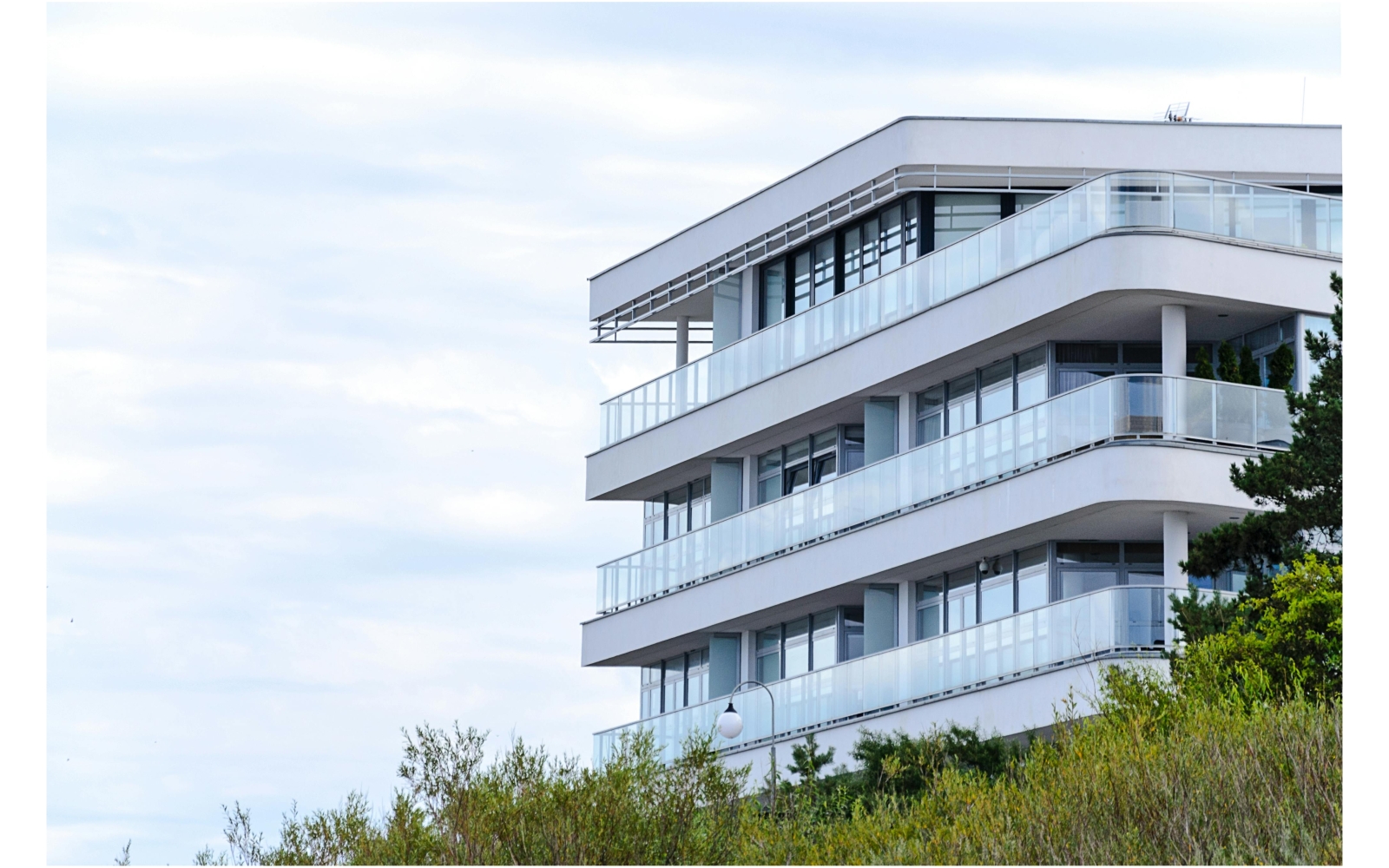
Choosing the right of home is crucial for you. For now it might be best if you are just going to rent depending on your current circumstances. For others, they might be more able to buy a house because they have paid off their debts. For others, they have the money, but they would prefer not to because they travel a lot. It all really depends on the type of lifestyle you have and what your anticipation is with your future.
However, many people choose to have or rent an apartment. Learn the different types of apartment and as to why this is one of the most popular choices of a home.
What Is an Apartment?
An apartment is a private living space usually just a few square feet inside a much larger building. Each “unit” is separate from other units and they have their own kitchen, bathroom, bedroom, and living area fit into a limited space. Even though people live in the same building, residents can still have their own privacy and sense of home, especially to those who are living alone or with a partner. They can be commonly found in the city where residential land is much more scarce, which is a popular choice for students, young professionals, and anyone who prefers to live close to school, work, or entertainment.
Shared Amenities
Since all residents that live in each unit share the same building, the amenities are shared as well. These amenities could be the common pool, gym if there are any, parking spaces (although you will have your own parking slot), and these amenities come with the monthly payment you owe to the said apartment complex.
Maintenances
You don’t need to worry about the maintenance that goes with the building itself because the building owners or managers will usually handle repairs for the common areas, plumbing, electricity, and water. However, these are separate from the maintenance you do in your own unit. The
Types of Apartments
Apartment types vary by layout and size, building type, and ownership or tenure. According to Allstate, these differences help renters and buyers choose the best fit for their needs and budget. Below are the main ways apartments are categorized:
- By Layout and Size: Studio, loft, duplex, and more.
- By Building Type: High-rise, low-rise, and garden apartments.
- By Ownership or Tenure: Co-ops, condos, and traditional rentals.
Studio Apartments
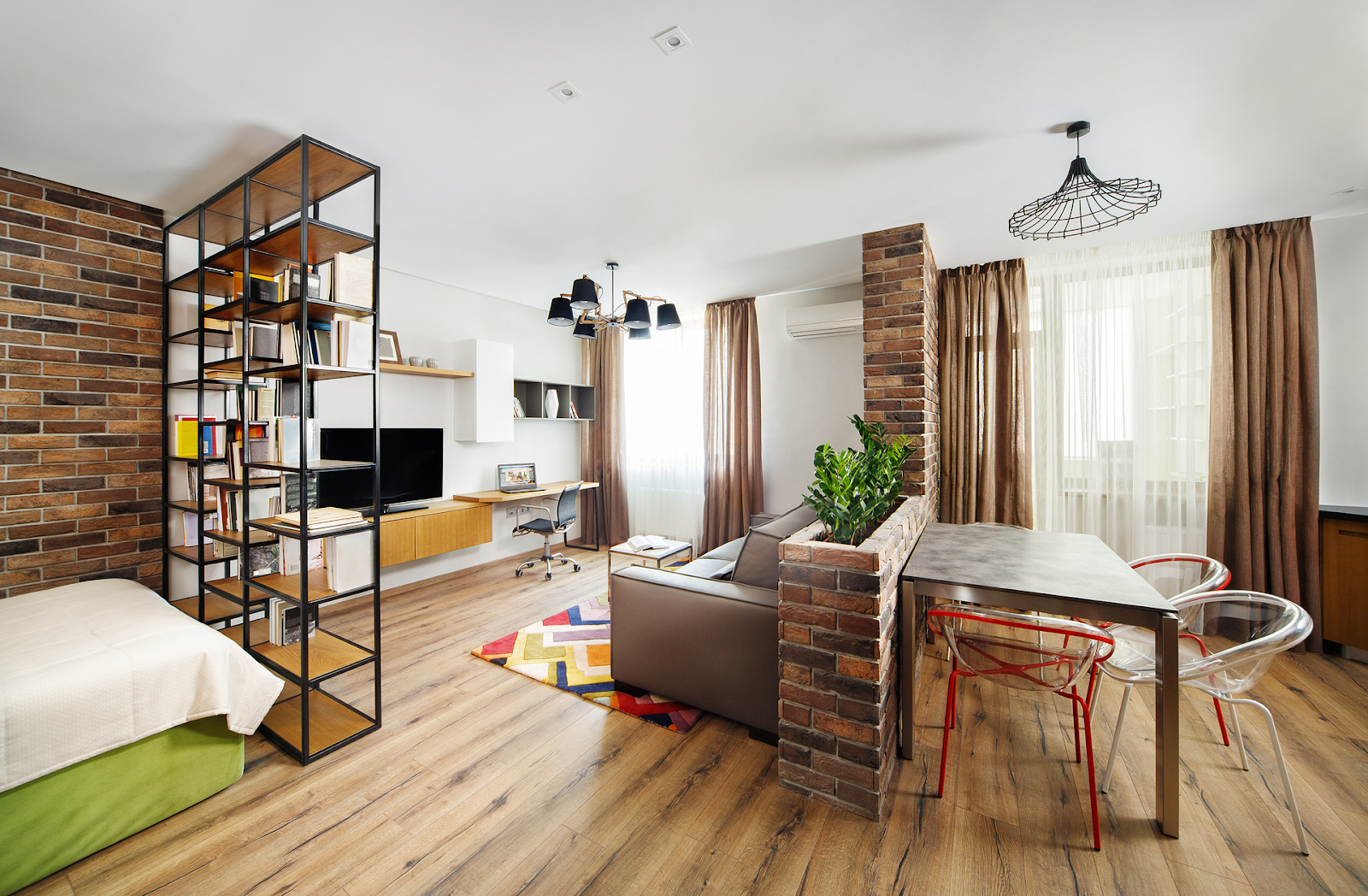
Photo credit: Apartment Advisor
This is the most common type of apartment where the space usually don’t have walls separating the living room, kitchen, and bedroom. There are however designed that include a separate section for the bathroom. For apartments like these, they are usually the top choice for roomates, small families, single or couple, in a densely populated areas.
Loft Apartments
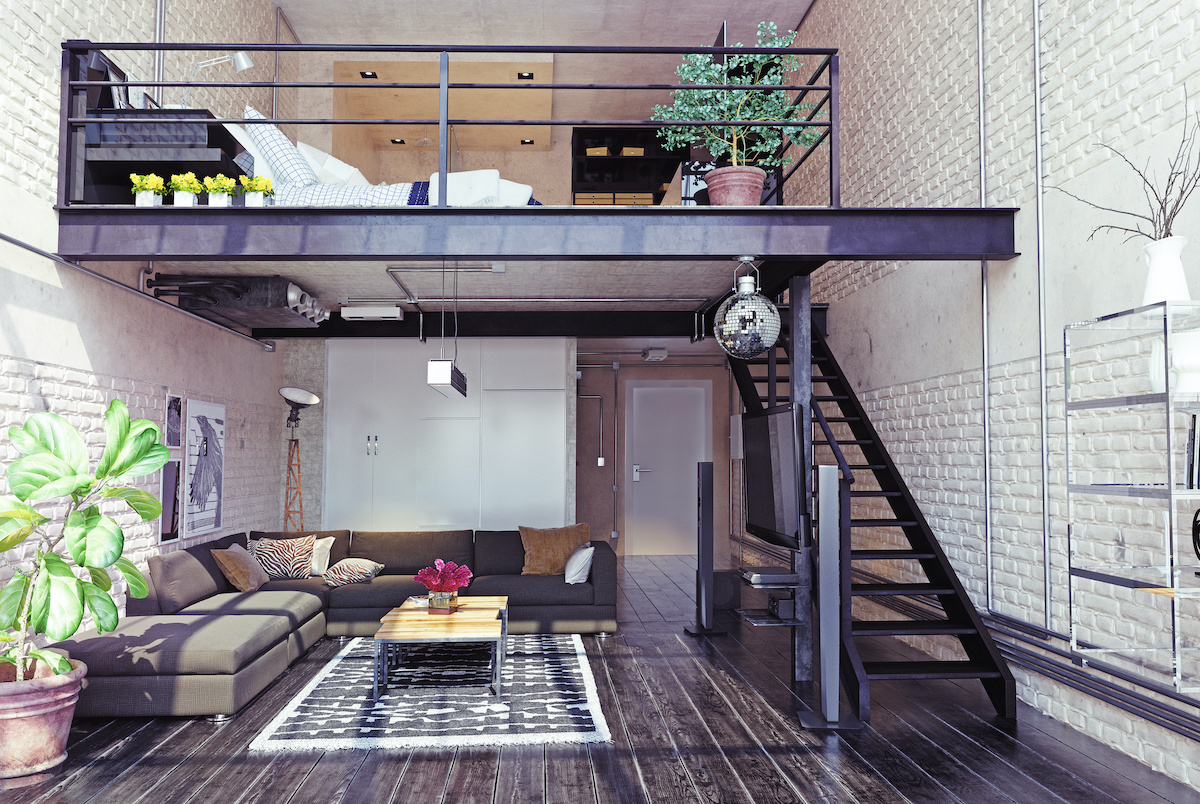
Photo credit: Bungalow
Loft types will have a sort of upper deck for the sleeping area. They are usually high-ceiling design that utilizes the natural light for maximum efficiency. They have minimal interior walls and just like the studio type, they only have a separate section for the bathroom. The dining room and living area sit on the same floor below the bedroom area and has a more aesthetic design.
Duplex Apartments
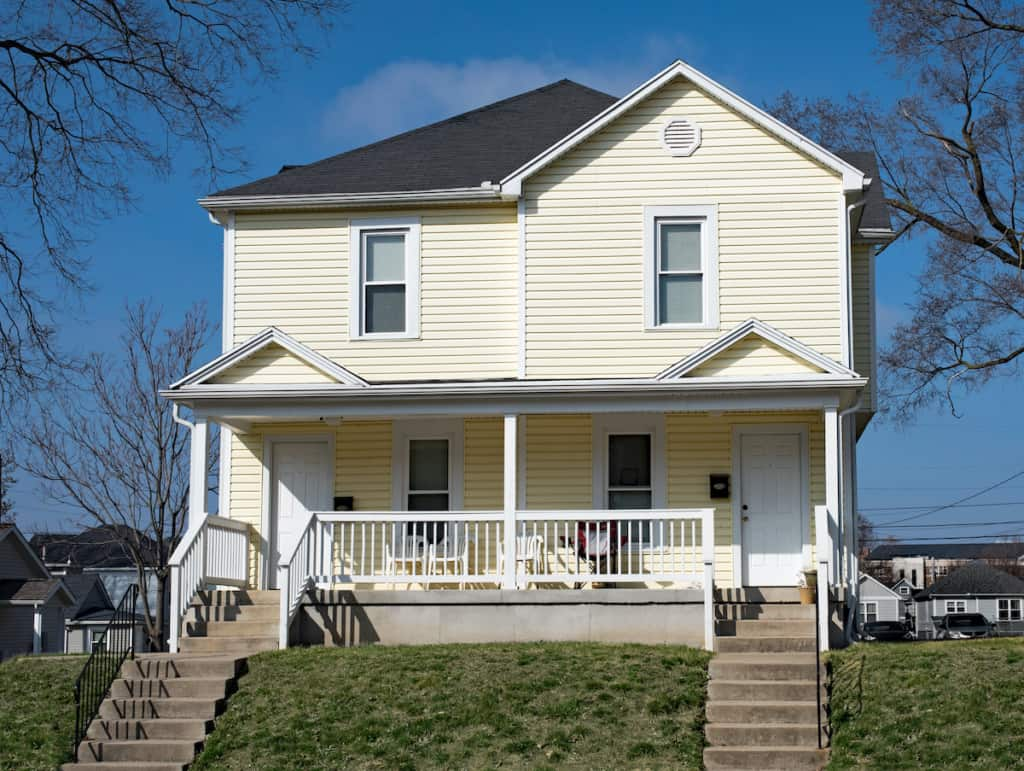
Photo credit: Rent
A duplex is just two houses fused into one. Each unit has their own entrance and they could either be side by side units or two floors connected by a staircase. Just like a regular house, they have their own bathroom, bedroom, living room, and kitchen. The only difference is that they will always share a wall to each other.
Co-op Apartments
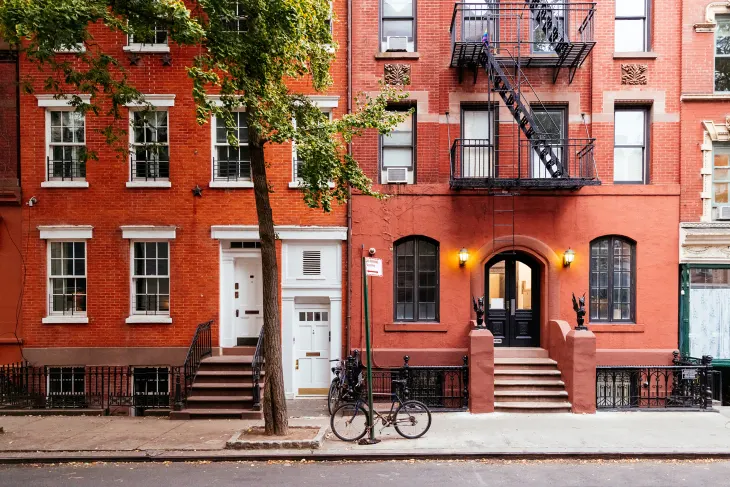
Photo credit: Apartment Therapy
A co-op apartment is one type where the residents do not own their units directly. The whole building is owned by a corporation and the residents purchase shares from that corporation which then gives them the right as shareholders to live in a specific apartment unit. The residents are also allowed to participate in making decisions for the building and how it should be run.
These are usually cheaper to buy than condominiums and residents also pay monthly fees for the maintenances, repairs, and other building expenses.
Building Types: High-Rise, Low-Rise, and Garden Apartments
High-Rise Apartments
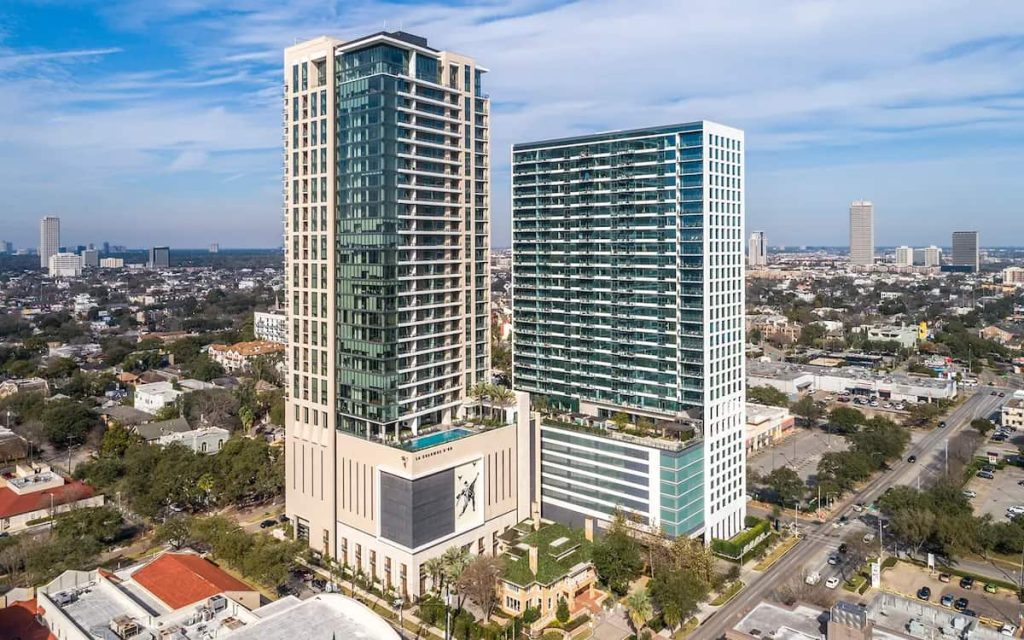
Photo credit: Apartment Living Locators
High-rise apartments are apartments found in tall buildings. They are often more than 10 stories high and they have elevators, stricter security, and amenities such as rooftop pools, gym, or lounges. They are commonly found in cities and are ideal for people looking for a place to live with a view.
Low-Rise Apartments
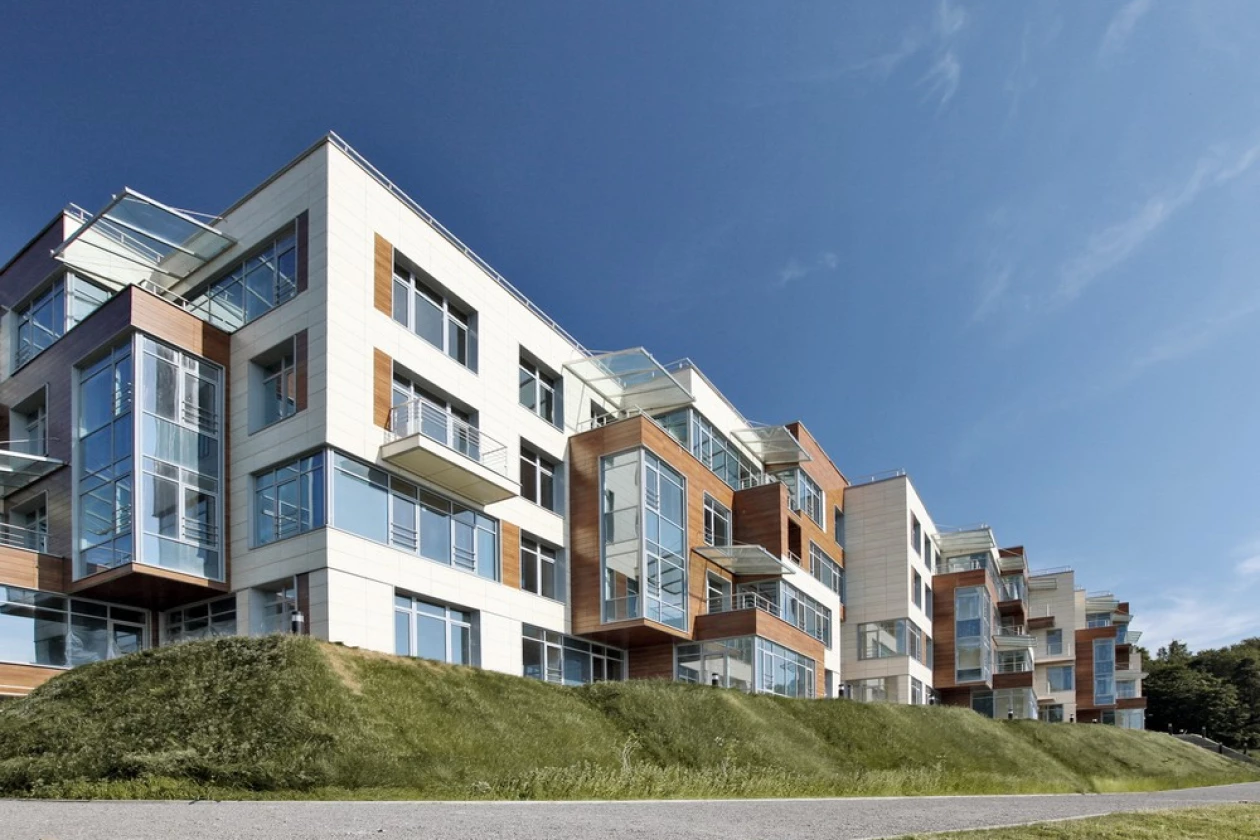
Photo credit: Archello
Low-rise apartments usually only have few floors. They usually don’t have elevators because they don’t really need one but they are much less crowded and often quieter thus offering a much more private living than high-rises. Low apartments can provide easier access to parking and/or outdoor parking spaces.
Garden Apartments
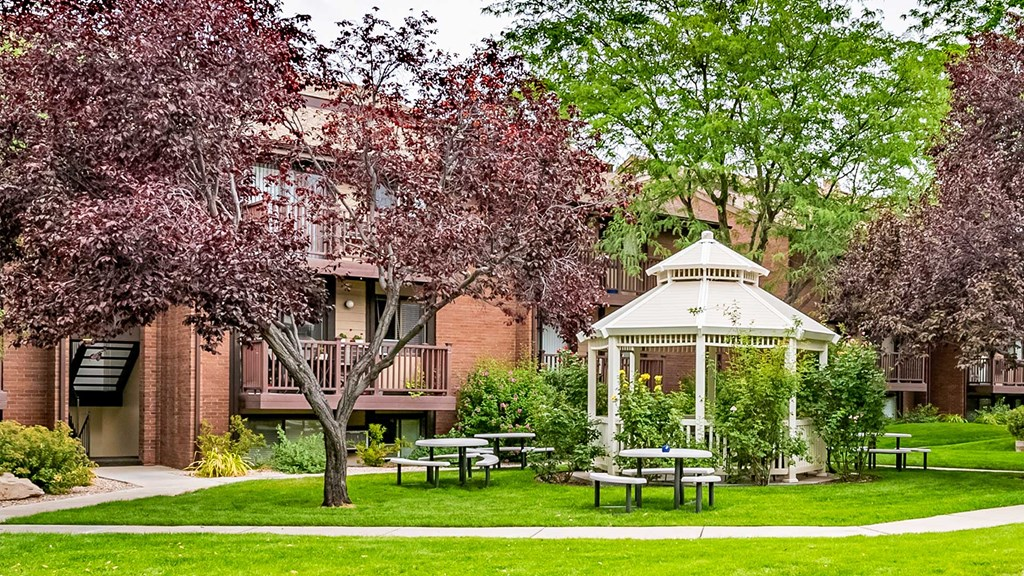
Photo credit: Rent Cafe
Garden apartments are usually found in low-rise buildings with nice landscaped areas around them. They often have outdoor walkways, small courtyards, or shared green spaces where people can relax. Garden apartments are a good choice for people who like being close to nature and want a little more outdoor space compared to a regular city apartment.
These types of buildings give renters and buyers more options, depending on if they prefer busy city living, quieter neighborhoods, or areas with more green space around.
Apartments vs. Houses
When choosing a place to live, one of the biggest decisions is whether to go for an apartment or a house. Both options have pros and cons, and the best choice depends on your lifestyle, budget, and long-term goals.
Space and Privacy:
Houses usually offer more space and privacy. They’re stand-alone structures with their own yard, driveway, or garden. Apartments, on the other hand, are part of a larger building and share walls with neighbors. This makes houses quieter and more private, while apartments feel closer to a community.
Maintenance and Responsibilities:
Living in a house often means taking care of yard work, repairs, and regular upkeep. With an apartment, many of these tasks are handled by the building owner or property manager. This makes apartments a low-maintenance option for people with busy schedules.
Cost and Location:
Apartments are generally more affordable than houses, especially in city areas. They’re also closer to jobs, schools, and public transportation. Houses cost more but offer more control, space, and long-term investment potential.
In short, apartments are great for people who want convenience and lower costs, while houses suit those looking for more space, privacy, and independence.
Apartments vs. Condos
People often confuse apartments with condos because they can look very similar. Both are individual units inside a larger building, but the main difference is ownership.
Ownership vs. Renting:
- Apartments are usually owned by one landlord or a property company. Tenants rent their units and pay monthly rent.
- Condos are owned by individuals. You can buy a condo just like you buy a house. Each owner is responsible for their unit but shares the upkeep of common areas with other owners.
Amenities and Management:
Both apartments and condos can offer shared amenities like gyms, pools, parking, or community rooms. In condos, owners often pay a monthly fee to cover maintenance of these shared spaces. In apartments, the landlord or property manager handles upkeep, and the cost is usually included in the rent.
Rules and Flexibility:
Living in an apartment gives you more flexibility to move out at the end of your lease. Condos are better for people looking to invest or stay in one place longer.
In short, apartments are mainly for renting while condos are for owning, but both can offer a similar lifestyle and layout.
Benefits of Living in an Apartment
Living in an apartment comes with many advantages, especially for people who want convenience and lower costs. Here are some of the biggest benefits:
Lower Maintenance:
One of the biggest perks of apartment living is less maintenance. You don’t have to mow lawns, clean gutters, or fix roofs. Most repairs in shared areas are handled by the building’s management or landlord.
Lower Upfront Costs:
Apartments often cost less upfront compared to buying a house. Security deposits or application fees are much lower than down payments on a home. This makes apartments an attractive choice for first-time renters or people on a budget.
Access to Amenities:
Many apartment buildings offer extras like gyms, pools, parking areas, playgrounds, or community spaces. These amenities can save you money and make daily life more comfortable.
Flexible Lease Terms:
Apartments often come with flexible lease options, such as month-to-month or yearly contracts. This makes it easier to move if your job changes or if you want to try living in a new area.
Location and Convenience:
Apartments are often located near public transportation, schools, workplaces, and shopping centers. This means shorter commutes and easier access to daily needs.
Challenges of Living in an Apartment
While apartments offer many benefits, they also come with some challenges. Knowing these ahead of time can help you decide if apartment living fits your lifestyle.
Less Privacy:
Because apartments share walls, floors, or ceilings with other units, noise can travel between neighbors. You may hear footsteps, music, or conversations, especially in older buildings.
Limited Outdoor Space:
Most apartments don’t have private yards. Outdoor space is often limited to small balconies or shared areas, which can feel restrictive if you enjoy gardening or outdoor activities.
Rules and Restrictions:
Apartment buildings often have rules about pets, noise, decorations, or even how many people can stay in a unit. You’ll need to follow these rules as part of your lease.
Shared Amenities:
While shared amenities are a bonus, they can also get crowded during peak times. You may have to wait to use the laundry room, gym, or parking spaces.
Less Control Over Changes:
Unlike a house, where you can paint walls or remodel, apartments usually limit the changes you can make to the unit. This can be a downside if you like customizing your home.
Who Should Consider Living in an Apartment
Apartments can be a great fit for many types of people. Knowing if this lifestyle matches your needs can save you time and money.
Young Professionals:
People starting their careers often choose apartments because they’re affordable and close to work, entertainment, and public transportation.
Students:
Apartments near schools or universities are a popular choice for students who need flexible leases and easy access to classes.
Small Families:
Two-bedroom or larger apartments can be an affordable option for small families who want a comfortable space without the high costs of a house.
Retirees or Empty Nesters:
Older adults may prefer apartments for the low maintenance and built-in amenities, especially if they’re looking to downsize.
People Seeking Flexibility:
If you’re unsure how long you’ll stay in one place, an apartment offers shorter-term leases and less commitment compared to owning a house.
In general, apartments suit anyone who values convenience, affordability, and flexibility over having a lot of space or owning land.
Discover Amazing Sioux City Properties
Explore unique homes, commercial spaces, and investment opportunities in Sioux City. Find the perfect property to fit your lifestyle or business vision.
Browse Our ListingsRecent Blogs and Insights

How Much House Can I Afford?
Apply the 28/36 rule: spend up to 28% of gross income on housing and no more than 36% on total debt, including housing and other monthly obligations.
Read MoreHow Much House Can I Afford?
How to Determine the Value of Your Home Yourself
Compare recent sales of similar homes nearby, adjust for location perks or nuisances, and get a professional appraisal for an exact figure.
Read MoreHow to Determine the Value of Your Home Yourself
Are Home Improvements Tax Deductible? What Homeowners Should Know
The honest answer is mostly no, but with a few exceptions. The IRS doesn't lump all home-related spending into one category. Some of it counts as a repair, some of it counts as an improvement, and those two words matter a lot more than you'd think when it comes to what you can and can't write off.
Read MoreAre Home Improvements Tax Deductible? What Homeowners Should Know
All Your Money Going to the House? What House Poor Means
At its core, being house poor means you have just enough money to cover your house expenses, and not much else
Read MoreAll Your Money Going to the House? What House Poor Means
How To Price My House to Sell Quick
To price your house to sell quickly, start with a comparative market analysis (CMA), set a price slightly below similar homes, avoid overpricing because of personal bias, avoid pricing too low and creating suspicion, and make sure as many buyers as possible see your listing through social media, community groups, and online ads.
Read MoreHow To Price My House to Sell Quick
What Happens If I Don't Have Earnest Money?
Earnest money is a deposit that shows a seller you are serious about buying their home. While it is not legally required in every real estate transaction, most sellers expect buyers to include it when making an offer.
Read MoreWhat Happens If I Don't Have Earnest Money?
Can You Cancel a Real Estate Contract Without Penalties? Understanding Mutual Rescission
Mutual rescission is when the buyer and seller both agree to cancel a real estate purchase agreement. Instead of completing the sale, they decide together to end the contract before the transaction is finished.
Read MoreCan You Cancel a Real Estate Contract Without Penalties? Understanding Mutual Rescission
How Much Are Realtors Paid in Iowa?
The average total real estate commission in Iowa is around 5.84%, but the actual rate can vary depending on the agent, brokerage, property, and local market.
Read MoreHow Much Are Realtors Paid in Iowa?
What Is the 3-3-3 Rule in Real Estate?
The 3-3-3 rule in real estate is a simple guideline that helps homebuyers prepare for the financial responsibilities of owning a home.
Read MoreWhat Is the 3-3-3 Rule in Real Estate?
What Is an Assignment Contract in Real Estate and How Does It Work?
An assignment contract lets a buyer transfer their rights in a real estate deal to another buyer for an agreed fee or profit.
Read MoreWhat Is an Assignment Contract in Real Estate and How Does It Work?
What Is a Lease Agreement? Everything Renters and Landlords Should Know
A lease agreement is a legal contract between a landlord and tenant that explains rent, rules, and how long the property can be used.
Read MoreWhat Is a Lease Agreement? Everything Renters and Landlords Should Know
Can You Legally Ask Someone to Act on Your Behalf? Power of Attorney Explained
A power of attorney gives someone legal authority to act on another person’s behalf in financial, legal, or real estate matters.
Read MoreCan You Legally Ask Someone to Act on Your Behalf? Power of Attorney Explained